


Ask a factory owner what they spend on raw materials and they’ll tell you fast, often down to the cent. Ask the same person about their manufacturing overhead costs and you’ll usually get a shrug or a number pulled from last year’s spreadsheet.
That gap matters more than it looks. Manufacturing overhead costs never show up as a line item on any single product. Left unchecked, they quietly eat into your profit margins — often nobody notices it until the numbers stop adding up.
In this guide, we’ll break down what these costs are, why they matter so much to your bottom line, and what you can actually do to bring them down.
What Are Manufacturing Overhead Costs?
Manufacturing overhead costs are the indirect expenses that keep a factory running. None of it goes straight into a product. But without it, nothing gets made.
It helps to sort these costs into five simple buckets:

Indirect Labor
Supervisors, quality control, janitorial staff

Indirect Materials
Lubricants, safety gear, cleaning supplies

Facility Costs
Rent, utilities, property taxes

Depreciation
Equipment and asset value decline over time
Insurance
Coverage that protects the whole operation
Once you see overhead broken down this way, it stops feeling like a mystery. It starts looking like something you can actually manage.
Identifying Types of Overhead Costs
Not all overhead behaves the same way, and that distinction changes how you manage each cost.

Fixed Overhead
Stays roughly the same no matter how much you produce.
Variable Overhead
Moves up or down with your production volume.

Semi-Variable Overhead
A fixed baseline plus a variable component.
Knowing which bucket a cost falls into tells you where you actually have room to cut. You can’t shrink your property taxes by making fewer units. But you can reduce variable overhead tied to specific production runs.
Why Manufacturing Overhead Costs Quietly Erode Your Bottom Line
Overhead hides in plain sight. It doesn’t show up as one dramatic expense the way a big equipment purchase does. Instead, it builds up in small amounts across dozens of accounts. And it directly shapes your cost of goods sold, which in turn shapes your pricing.
If you underestimate your overhead, you underprice your products and quietly lose margin on every sale. If you overestimate it, you might price yourself out of a competitive bid. Either way, your planning suffers because you’re working from numbers that don’t match reality.
How to Reduce Manufacturing Overhead Costs
Once you know where your overhead lives, that’s when the real work starts. Here are a few tips to help you make informed cost-cutting decisions.
Review Your Fixed and Variable Costs Regularly

Overhead management isn’t a once-a-year exercise. Review your indirect costs monthly or quarterly, and compare what you planned to spend against what you actually spent.
Spotting problems that can affect your overhead early on is far cheaper than catching them a year later.
Cut Labor Costs Without Cutting Corners

Labor is often your single largest overhead category. It’s also the one manufacturers are most nervous about touching, for good reason. Cut it the wrong way and you risk losing institutional knowledge, burning out your remaining staff, or hurting product quality.
The smarter path is better workforce management, not fewer workers. See the table below for some sample problems and how to manage them.
| Problem | Solution |
|---|---|
| Need for overtime and temporary hires | Cross-train your team |
| Wasted labor hours from idle time or last-minute reshuffling | Improve production scheduling |
| Staffing requirements spike seasonally | Have a flexible manpower plan |
Outsource Labor and Flexible Manpower Solutions
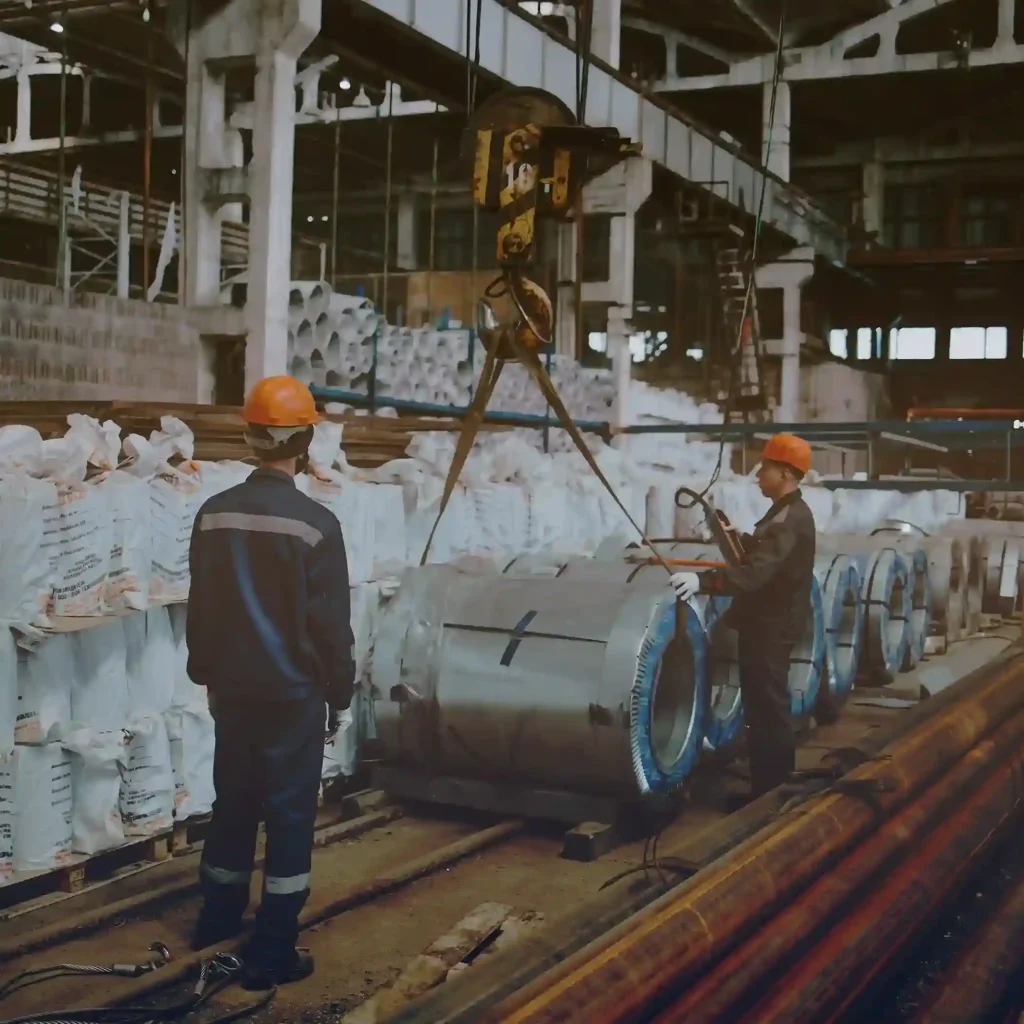
For many manufacturers, outsourcing non-core or seasonal roles turns a fixed overhead cost into a variable one. You pay for labor when you need it, not year-round. This applies to janitorial work, materials handling, and even skilled production support during peak demand.
We specialize in deploying skilled and semi-skilled Filipino workers across regions. With our services, manufacturers can scale their workforce up or down without the full administrative burden of direct hiring. → See the full range of our manpower services for businesses in manufacturing.
Preventive Maintenance and Energy Efficiency

Unplanned downtime inflates overhead costs. Detect issues before they become breakdowns by integrating preventive maintenance into your standard production schedule.
If you’d like a practical rundown on minimizing equipment downtime, check our previous blog post: How to Minimize Equipment Downtime in Manufacturing.
Energy is another overhead drain. One way to reduce changeover-related energy waste is by grouping similar production runs instead of running frequent small batches.
Real-Time Visibility Through Technology and KPIs

A lot of overhead waste stays hidden when businesses lack real-time visibility into what’s happening on the floor.
It’s advisable to track a handful of key metrics such as running cost per hour, scrap ratio, energy ratio, downtime, and first-pass yield. These give you an early warning system backed by real data.
Reduce Production Costs Without Sacrificing Quality

Be sure to avoid cutting costs that actually protect your product. Skimping on quality control, safety equipment, or preventive maintenance often just shifts costs downstream into rework, warranty claims, or safety incidents. All of those cost more than the overhead you “saved.”
The manufacturers who get the best long-term results treat overhead reduction as an ongoing habit, not a one-time cost-cutting event. Small and steady adjustments, better scheduling, smarter sourcing, and the right staffing mix tend to outperform disruptive cuts every time.
Key Takeaways
- Manufacturing overhead costs are the indirect expenses that support production.
- Knowing which costs are fixed, variable, or semi-variable tells you where you actually have room for cutbacks.
- Overhead directly shapes your cost of goods sold and pricing strategy.
- The most effective strategies protect quality while trimming waste.
Frequently Asked Questions
Add up all indirect production expenses for a given period. Then divide by your chosen allocation base (typically labor hours, machine hours, or units produced). The result is your overhead rate.
There’s no single fastest fix. But the highest-impact starting points are usually reducing unplanned downtime through preventive maintenance, tightening labor scheduling, and using flexible or outsourced manpower for non-core and seasonal roles instead of carrying that cost year-round.
Yes. Outsourcing converts fixed labor overhead into a variable cost. You pay for staffing when you need it, and a specialized manpower partner absorbs the administrative burden that would otherwise add to your own overhead.
Conclusion
Manufacturing overhead costs will never disappear entirely. They’re the cost of keeping the whole operation moving while maintaining compliance and safety. But they don’t have to be a mystery, and they don’t have to keep growing unchecked.
Businesses that treat overhead as a data problem, not just an accounting line item, consistently make sharper pricing decisions and protect their margins better than those who don’t.
If labor is where most of your overhead pressure sits, that’s a solvable problem.